
Affordable Housing in Nigeria: Are Government PPP Projects Closing the Gap?
Nigeria’s real estate market continues to grow, but one challenge dominates every discussion: the affordable housing crisis. With a housing deficit estimated at over 20 million units, millions of Nigerians still lack access to decent and affordable homes.
In response, government agencies and private developers are collaborating through Public-Private Partnerships (PPPs) to deliver mass housing projects across Lagos, Abuja, and other urban centers. But the big question remains: Are these PPP initiatives truly closing the housing gap in Nigeria?
The State of Affordable Housing in Nigeria
Nigeria’s housing market has traditionally favored the high-income and luxury sector, with developments in Ikoyi, Banana Island, Lekki, and high-brow areas of Abuja. Unfortunately, this leaves the majority of low- and middle-income earners priced out.
-
High cost of land in urban centers makes affordable housing difficult.
-
Rising construction costs due to inflation and imported materials.
-
Limited mortgage access – most Nigerians cannot qualify for long-term loans.
-
Urban migration continues to push demand for housing in cities like Lagos and Abuja.
This is why government-backed housing schemes and PPPs have become a major talking point in 2025.
What Are PPP Housing Projects?
A Public-Private Partnership (PPP) in real estate is a collaboration between the government and private developers to deliver affordable housing.
The government provides land, permits, or subsidies, while private developers handle construction, financing, and delivery. This model is designed to:
-
Reduce housing costs for buyers.
-
Speed up project delivery.
-
Bridge the gap between luxury developments and the mass housing needs of Nigerians.
Examples of PPP Housing Projects in Nigeria
Several housing initiatives highlight the growing role of PPPs:
-
National Social Housing Programme (NSHP): Aimed at providing over 300,000 affordable homes nationwide.
-
Family Homes Fund (FHF): Partnering with developers to deliver homes for low-income earners.
-
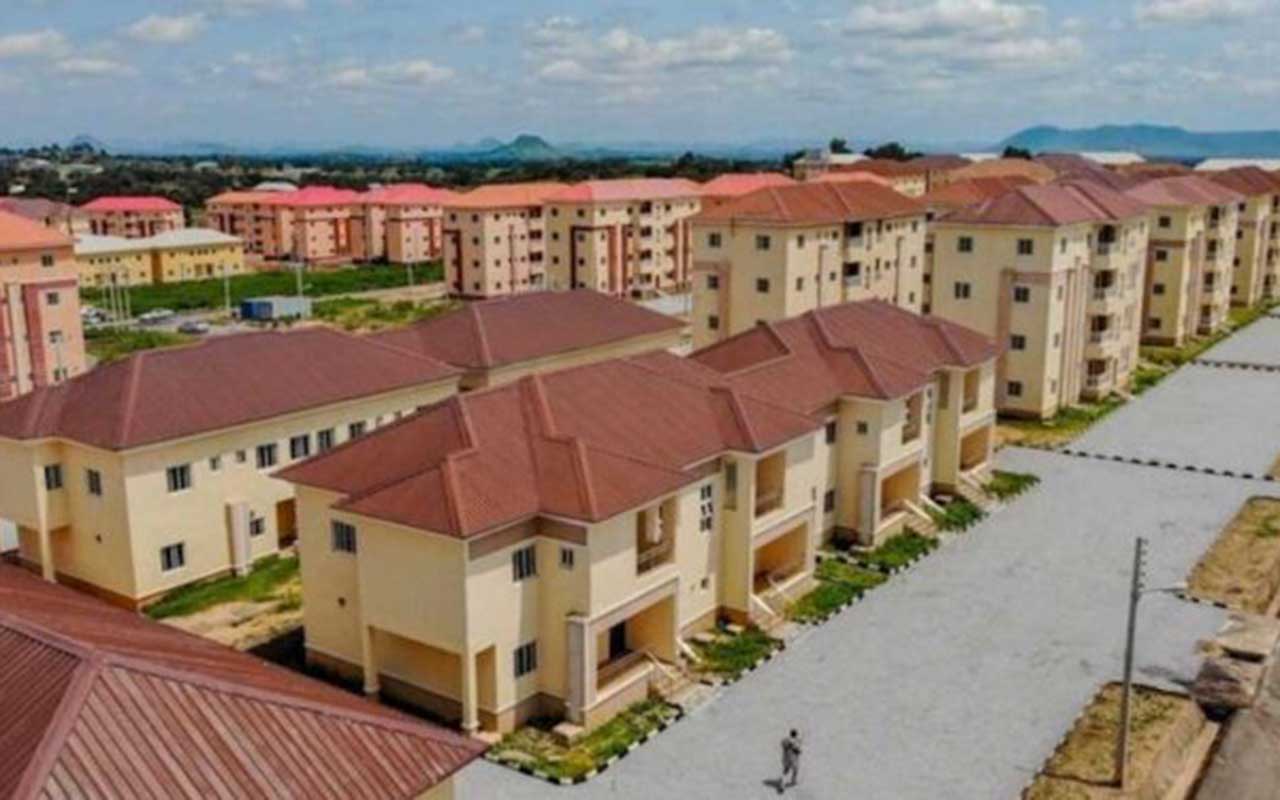
State-backed projects: Lagos, Ogun, and Abuja have launched estate projects in partnership with private firms.
-
Private developers in Lugbe, Ibeju-Lekki, and Nasarawa: Delivering 2–3 bedroom affordable units for young families.
These projects are targeted at Nigerians earning between ₦50,000 – ₦200,000 monthly, with flexible payment options.
Are PPP Projects Working?
While PPPs have made progress, the results are mixed:
✅ Successes:
-
More Nigerians can now access 2-bedroom and 3-bedroom homes priced between ₦5M – ₦15M.
-
Payment options like mortgages, cooperatives, and rent-to-own schemes are more widely available.
-
Mass housing estates are springing up in Lugbe (Abuja), Ibeju-Lekki (Lagos), and Ogun State.
❌ Challenges:
-
Demand still far exceeds supply — only a fraction of the housing deficit has been addressed.
-
Some PPP homes are still too expensive for low-income earners.
-
Land documentation and bureaucracy delay many projects.
-
Limited mortgage financing prevents wider adoption.
Opportunities for Investors and Home Buyers
For real estate investors, PPP projects present a unique opportunity:
-
Steady demand: Millions of Nigerians are looking for affordable housing, guaranteeing a strong market.
-
Lower risk: Government support makes these projects more secure.
-
High ROI: Affordable estates on the outskirts of Lagos and Abuja are appreciating quickly as infrastructure improves.
For first-time buyers, PPP estates are one of the safest and most affordable entry points into the Nigerian property market.
How to Benefit from PPP Housing Projects
-
Research Developers: Only buy from developers recognized under official housing schemes.
-
Verify Title Documents: Ensure the land and project are government-approved.
-
Explore Financing Options: Use mortgage banks like FMBN, rent-to-own plans, or cooperative societies.
-
Invest Early: Buying during pre-construction or early phases often secures the best prices.
The Future of Affordable Housing in Nigeria
PPP projects are a step in the right direction, but Nigeria needs millions of additional homes to meet growing demand. Expanding access to mortgage financing, reducing construction costs, and digitizing land processes will be crucial to scaling affordable housing nationwide.
As infrastructure expands into Lugbe, Ibeju-Lekki, and satellite towns around Abuja and Lagos, PPP housing estates will continue to rise in value, providing both affordable options for families and strong returns for investors.
Conclusion: A Growing but Incomplete Solution
Affordable housing in Nigeria remains a challenge, but PPP projects are beginning to make an impact. While they haven’t closed the housing deficit yet, they have created new opportunities for both buyers and investors.
For Nigerians dreaming of owning a home, and for investors looking to tap into one of the most underserved markets, government-backed affordable housing estates are worth serious consideration.
With the right reforms and continued partnerships, PPP housing projects could be the key to finally bridging Nigeria’s housing gap.