
Abuja’s Housing Deficit: How Developers and Investors Are Bridging the Gap
Abuja, Nigeria’s capital city, is one of the fastest-growing urban centers in Africa. With its rising population, rapid urban migration, and growing demand for homes, the city faces a serious housing deficit.
According to recent reports, Nigeria’s overall housing deficit is estimated at over 20 million units, and Abuja alone contributes significantly to this figure. Despite the boom in luxury developments, many residents still struggle to access affordable housing in Abuja.
So, what is fueling the housing deficit, and how are property developers and real estate investors stepping in to bridge the gap? Let’s break it down.
What Causes the Housing Deficit in Abuja?
-
Rapid Urbanization
-
Abuja attracts thousands of new residents every year due to government institutions, job opportunities, and infrastructure. This migration far outpaces the rate of new housing delivery.
-
-
High Construction Costs
-
The rising cost of cement, steel, and building materials makes it expensive to develop homes, pushing developers towards high-end rather than affordable housing.
-
-
Land Ownership Issues
-
Complex land titling processes and bureaucratic bottlenecks delay projects and increase property prices.
-
-
Limited Access to Mortgage Finance
-
Many Nigerians lack access to affordable mortgages. With most transactions being cash-based, homeownership remains difficult for middle and lower-income earners.
-
Current Housing Demand in Abuja
-
Luxury Demand: Maitama, Asokoro, and Jahi see strong growth in smart homes, duplexes, and serviced apartments.
-
Affordable Demand: Lugbe, Idu, Kuje, and Gwagwalada are high-demand areas for affordable housing estates.
-
Rental Demand: With expatriates and civil servants, rental yields in central districts remain strong.
The challenge? Affordable housing supply still falls far short of demand.
How Developers Are Bridging the Housing Gap
1. Affordable Housing Estates
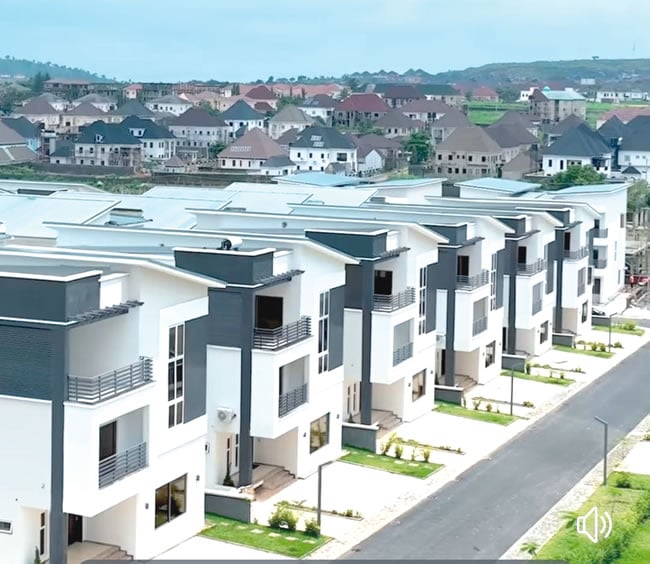
Developers are increasingly launching estates in Lugbe, Karshi, Kuje, and Gwagwalada to cater to middle-income earners. These estates often come with flexible payment plans and smaller unit designs.
Examples:
-
2–3 bedroom bungalows in Lugbe selling for ₦25M – ₦40M.
-
Off-plan housing projects in Kuje with installment payments.
2. Public-Private Partnerships (PPP)
The FCT Administration and Federal Housing Authorities are partnering with private developers to build mass housing projects. PPPs help reduce costs and deliver homes faster.
3. Off-Plan Projects
By selling units before completion, developers raise capital to complete projects while giving buyers the chance to pay gradually. This has become popular in areas like Jahi, Katampe, and Lokogoma.
4. Innovative Building Materials
To lower construction costs, some developers are adopting alternatives such as precast concrete, modular homes, and eco-friendly designs. This makes units more affordable without sacrificing quality.
Role of Real Estate Investors
Investors are critical in bridging Abuja’s housing deficit. Here’s how they contribute:
-
Funding New Estates: Many large-scale housing projects depend on private investors for financing.
-
Land Banking: Investors acquire large parcels of land in developing districts, making it easier for developers to build affordable estates.
-
Rental Housing: Some investors focus on build-to-rent properties to provide housing for Abuja’s growing working-class population.
Where Affordable Housing Is Growing in Abuja
-
Lugbe (Airport Road)
-
Most popular affordable housing hub.
-
2–4 bedroom homes from ₦25M – ₦60M.
-
Easy access to city center and airport.
-
-
Idu & Kuje
-
Rapidly expanding districts.
-
Ideal for land banking and future affordable housing estates.
-
-
Gwagwalada
-
FCT’s education hub with universities and schools.
-
Affordable housing demand among students and young families.
-
-
Lokogoma
-
Known for relatively cheaper duplexes and apartments within gated estates.
-
Government’s Role in Reducing the Housing Deficit
-
Mortgage Support: The Federal Mortgage Bank of Nigeria (FMBN) provides low-interest loans to contributors of the National Housing Fund.
-
Mass Housing Projects: Ongoing schemes aim to deliver thousands of units in Lugbe, Karshi, and Gwagwalada.
-
Infrastructure Development: Roads, water, and electricity projects are opening up new districts for residential use.
Investment Opportunities in Bridging the Gap
For investors and developers, Abuja’s housing deficit presents huge opportunities:
-
Develop affordable estates targeting middle-income buyers.
-
Invest in land banking in districts like Lugbe, Kuje, and Idu.
-
Build rental apartments for civil servants and professionals.
-
Partner with government schemes to access incentives and large-scale projects.
Future Outlook: Abuja’s Housing Market in 2025 and Beyond
-
Demand for luxury homes will continue in Maitama, Asokoro, and Jahi.
-
However, the biggest opportunity lies in affordable housing — especially for middle-class buyers.
-
With urban migration, the demand for 2–3 bedroom houses in suburban estates will keep growing.
-
Developers who embrace innovation, affordability, and flexible financing will thrive.
Conclusion: Turning Abuja’s Housing Deficit into an Opportunity
The housing deficit in Abuja is a major challenge, but also a powerful opportunity for investors, developers, and home buyers.
-
Developers are building affordable estates in emerging districts.
-
Investors are funding projects and engaging in land banking.
-
The government is creating enabling policies and infrastructure.
For buyers, this is the time to take advantage of affordable housing options in fast-developing districts before prices surge.
📌 At Ambrose Homes, we provide access to verified affordable housing projects and prime investment opportunities in Abuja. Whether you’re buying for personal use or investing for future returns, we help you bridge the gap between dreams and ownership.